Your child’s smile changes a lot as baby teeth fall out and adult teeth come in. You might notice a new gap or a tooth growing in at an angle and wonder: Does my child need braces?
Common signs your child may need braces include crowded teeth, large gaps, front teeth that stick out, and trouble biting or chewing. These signs are worth checking, but they do not always mean braces are needed right away. Here’s what to watch for.
1. Teeth Are Crowded or Overlap
If your child’s teeth overlap, twist, or grow in front of or behind other teeth, there may not be enough room for them to fit. This is called crowding.
Crowded teeth can make brushing and flossing harder, too. An orthodontist can check whether there is enough space for adult teeth and explain whether treatment would help.
2. There Are Large Gaps Between Teeth
Gaps are common as children lose baby teeth and adult teeth come in. A gap on its own does not mean your child needs braces.
Large gaps or spaces that remain as adult teeth come in are worth checking. Missing teeth or teeth that are smaller than usual can leave extra space. An orthodontist can help you understand the cause.
3. Front Teeth Stick Out
When the upper front teeth sit far ahead of the lower teeth, it’s called increased overjet. Teeth that stick out may be more likely to get injured. They can also make it hard for your child to close their lips comfortably.
4. Upper and Lower Teeth Do Not Fit Together Well
A bite is the way the upper and lower teeth meet. Even teeth that look straight can have a bite problem.
Common bite problems include:
- Deep bite: The upper front teeth cover too much of the lower front teeth. This is also called an excessive overbite.
- Underbite: The lower front teeth sit ahead of the upper front teeth.
- Crossbite: Some upper teeth fit inside the lower teeth.
- Open bite: There is a gap between the upper and lower front teeth when the back teeth are together.
5. Biting or Chewing Is Difficult
Does your child struggle to bite through food or often bite the inside of their cheek? The way their teeth fit together could be part of the problem.
If eating hurts, contact your child’s dentist. They can check for cavities or other causes of pain. If the bite is a concern, an orthodontic exam may also help.
6. Baby Teeth Fall Out Very Early or Stay Too Long
Children lose baby teeth on different schedules. There’s no need to compare every lost tooth with a friend’s timeline.
Still, losing baby teeth very early or keeping them longer than expected can affect how adult teeth come in. Your child’s dentist or orthodontist can check their progress and explain whether early orthodontic treatment would help.
7. Thumb Sucking Is Changing the Bite
Thumb sucking can be a source of comfort for young children. If the habit continues as adult teeth come in, it can affect tooth alignment and the shape of the mouth. Strong sucking can affect baby teeth, too.
Long-term pacifier use can cause similar changes. If you notice teeth shifting or a gap forming between the front teeth, ask your child’s dentist or orthodontist for help. They can check the bite and suggest gentle ways to work on the habit.
When Should My Child See an Orthodontist?
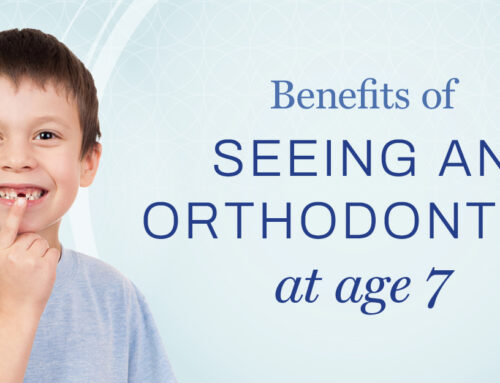
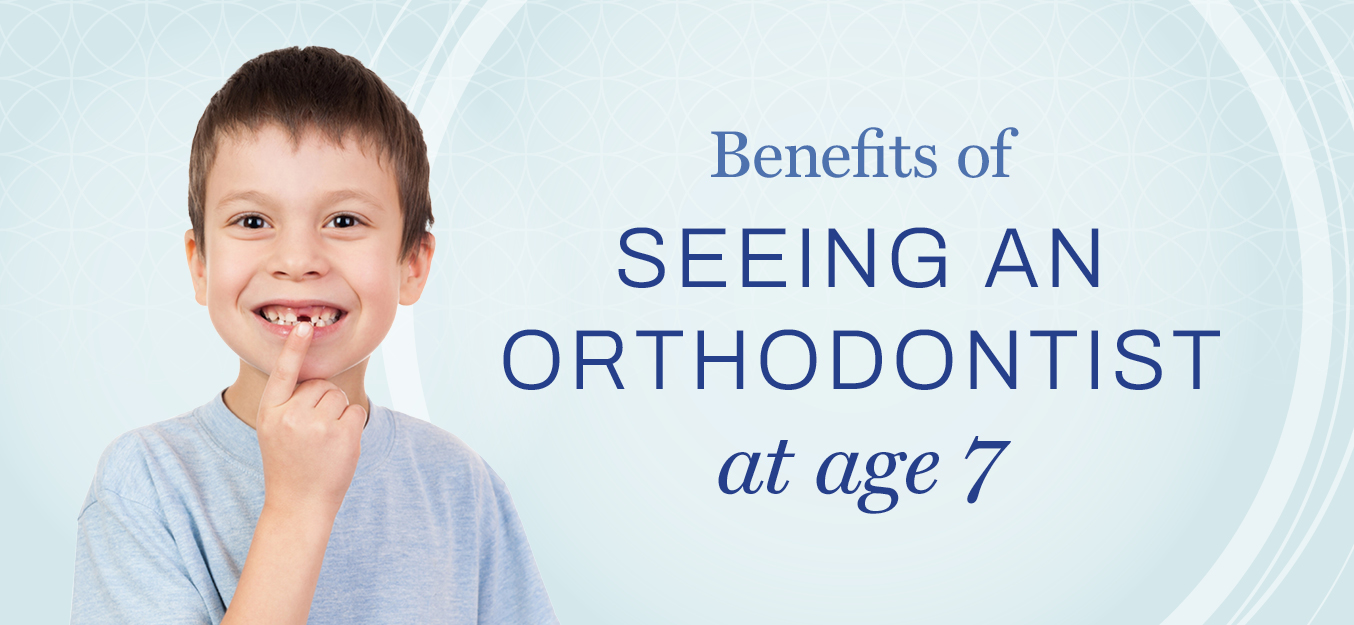
The American Association of Orthodontists recommends a first orthodontic checkup by age 7. Most children have a mix of baby teeth and adult teeth at this age, which helps an orthodontist see how the teeth and jaws are developing.
If you notice a concern sooner, you can schedule an exam before age 7. You do not need to wait until all the baby teeth are gone. Some children benefit from early treatment, while others just need checkups to watch their growth.
What Happens at an Orthodontic Exam?
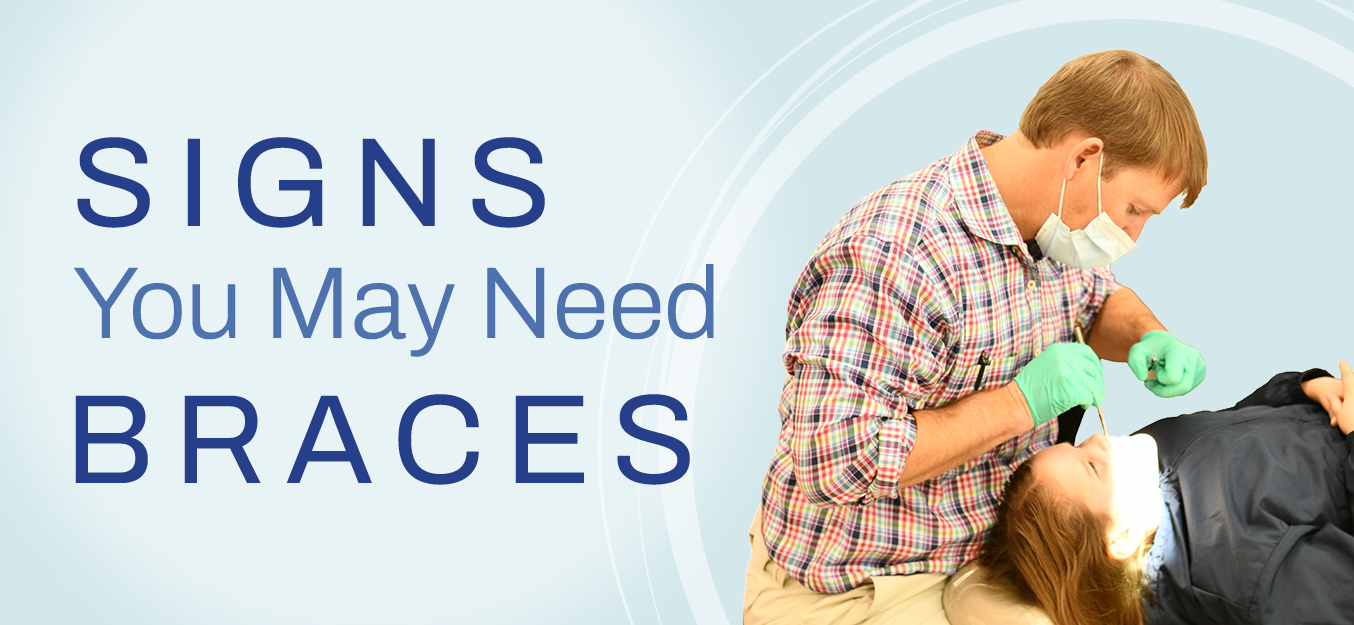
At Jay Harris Orthodontics, your child’s first visit includes an exam of the teeth and gums, along with photos and X-rays to help plan care. Our team will talk with you about whether treatment is needed and explain the options, timing, and costs.
Bring your questions, even if you’re not sure what to ask. We’ll help you understand what’s happening with your child’s smile and what comes next.
Questions Parents Often Ask About Braces for Kids
Does my child need braces if their teeth look straight?
Possibly. Teeth can look straight but still meet unevenly. An orthodontist checks both tooth alignment and how the upper and lower teeth fit together.
Should we wait until all the baby teeth fall out?
No. The first orthodontic checkup is recommended by age 7, while some baby teeth are still in place. This helps an orthodontist spot concerns and plan when to treat them, if needed.
Does an orthodontic checkup mean my child will get braces?
No. Your child may not need treatment now. The orthodontist may suggest checkups to watch how their teeth and jaws develop before deciding on the next step.
Get Answers About Your Child’s Smile in Columbus, GA
Wondering whether your child needs braces? At Jay Harris Orthodontics in Columbus, GA, Dr. Jay Harris can check your child’s bite, answer your questions, and help you decide on the next step.
Request an appointment or call (706) 324-5627 to schedule your child’s orthodontic evaluation.